History / From the field guide001
archive.org1 January 1890
Henry Dircks proposed the illusion and John Henry Pepper staged it at London's Royal Polytechnic in 1862 using angled glass, not optical interference.
Event: 24 December 1862
History / Field entry002
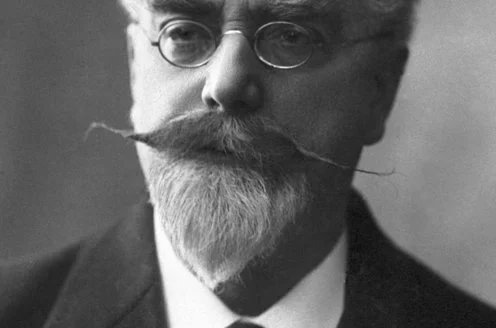
The 1908 physics Nobel credits Gabriel Lippmann for interference color photography; a separate paper that year proposed lens-array integral photography.
1908 report
History / From the field guide003
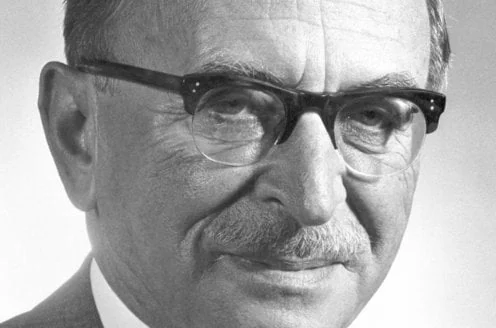
Nature's 1948 letter set out the electron-microscope idea behind holography, without the laser needed to make it practical.
Event: 1 May 1948
History / From the field guide004
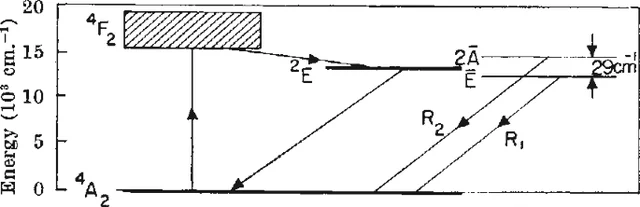
Theodore Maiman's ruby laser supplied the coherent light later holography needed; his own paper describes a laser, not an imaging technique.
Event: 7 July 1960
History / From the field guide005
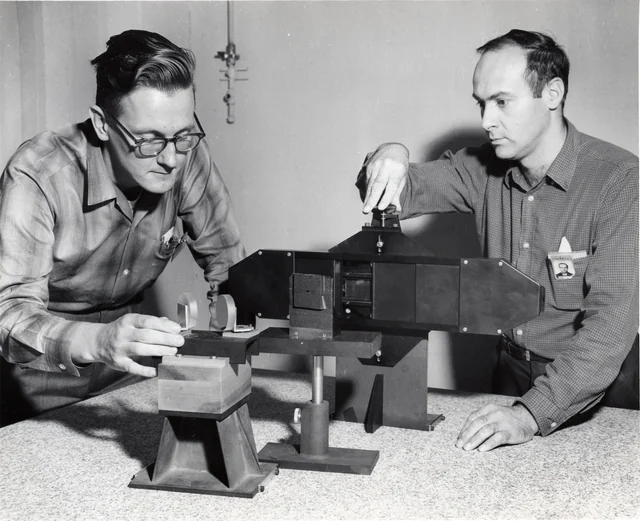
Their JOSA paper solved Gabor's twin-image problem with an off-axis reference beam, but reconstruction still required laser illumination.
Event: 1 October 1962
History / From the field guide006

Leith and Upatnieks' June 1965 article explained laser holography to a general readership, after their own 1962-63 technical papers.
Event: 1 June 1965
History / From the field guide007
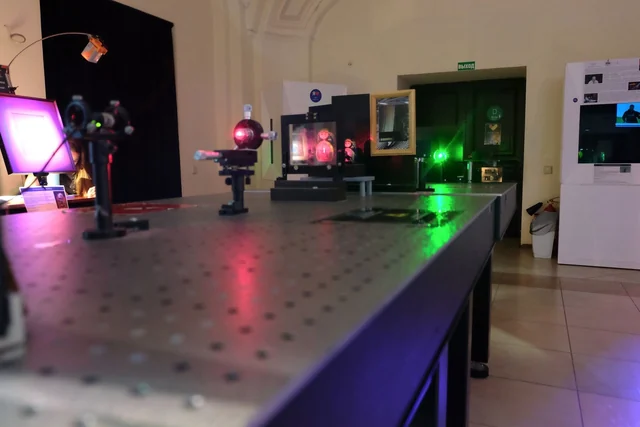
Working independently in the USSR, Yuri Denisyuk proposed a white-light-viewable hologram years before a laser existed to fully demonstrate it.
Event: 1 January 1962
History / From the field guide008
patents.google.com11 January 1972
Stephen Benton's Polaroid-assigned patent removed vertical parallax, letting a hologram reconstruct under an ordinary incoherent light source.
Event: 21 October 1969
History / From the field guide009
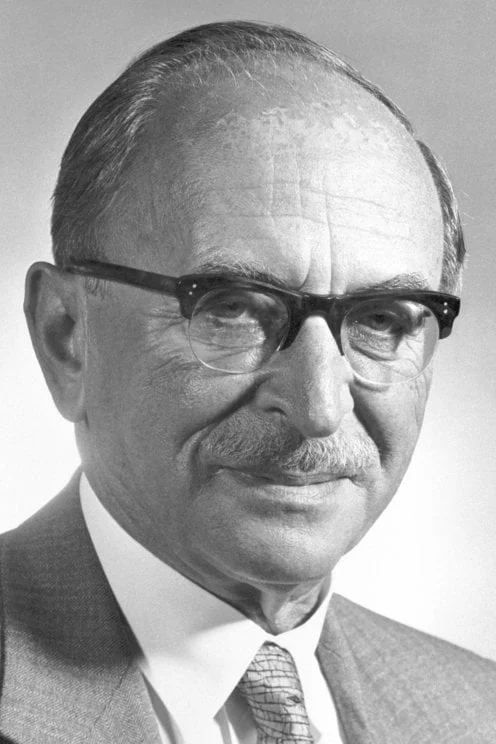
The Nobel committee credited Gabor's holographic method in 1971, twenty-three years after his 1948 paper and after later laser-era demonstrations.
Event: 1 January 1971
History / From the field guide010
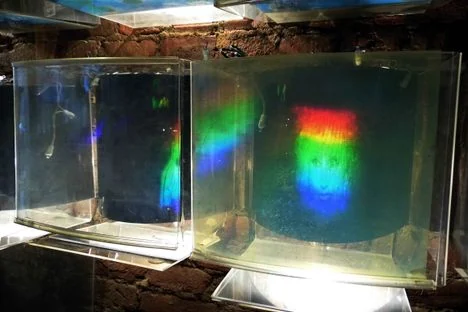
The Museum of Holography exhibited holography from the mid-1970s until 1992, when its archive and collection passed to the MIT Museum.
Event: 1 January 1992
Volumetric & light field / From the field guide011
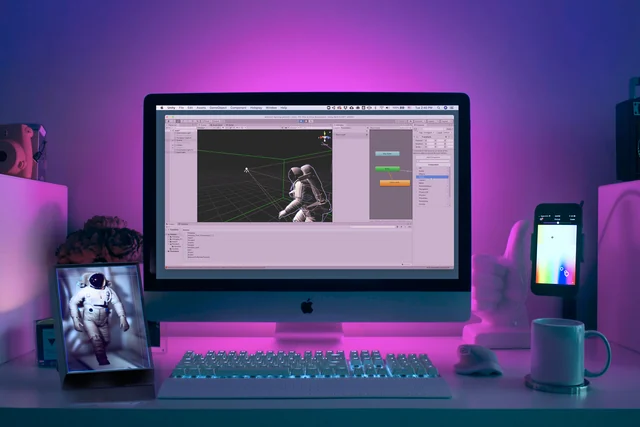
The company's own specifications describe a 58-degree, 45-to-100-view light-field panel, not an interference hologram.
Event: 1 January 2020
Volumetric & light field / From the field guide012
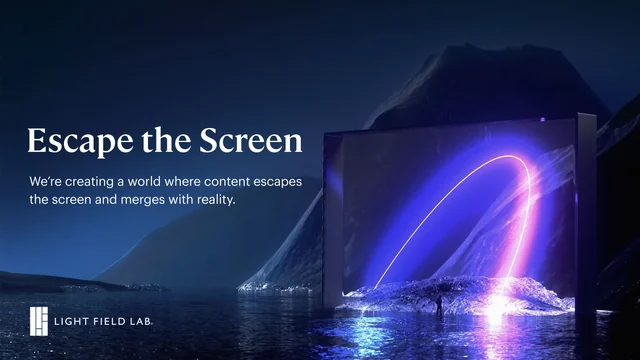
Light Field Lab's own 2021 announcement describes an emissive, modular panel platform, still pre-shipment at launch.
Event: 7 October 2021
Volumetric & light field / Field entry013
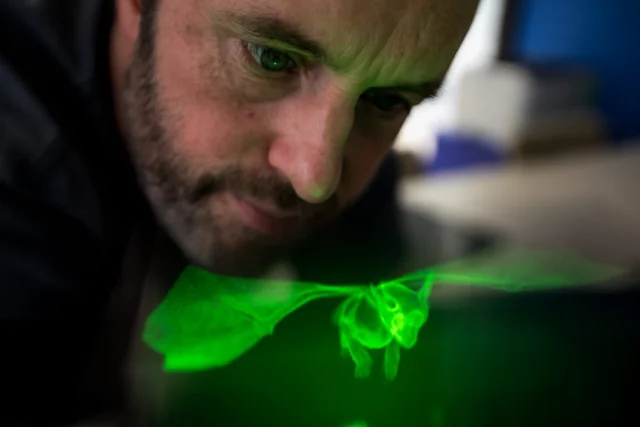
Voxon's own technical post describes a persistence-of-vision volumetric display, distinct from Pepper's ghost and headset 3D.
Entry note
Volumetric & light field / From the field guide014
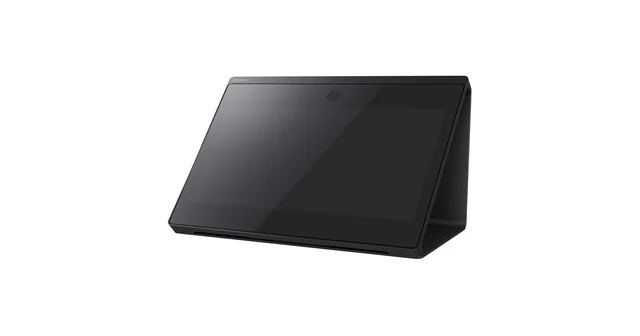
The ELF-SR1's own product page describes eye-tracked, lenticular stereoscopy for one viewer, never using the word hologram.
Event: 1 October 2020
Volumetric & light field / From the field guide015
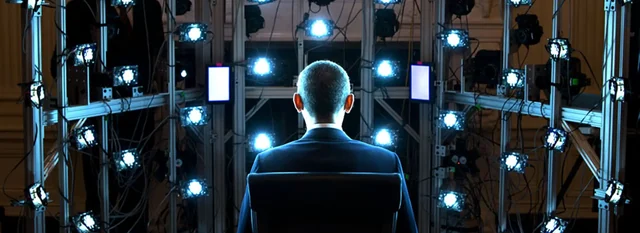
Debevec's 2000 paper describes a lighting-and-camera rig for later rendering, not a viewer-facing hologram or display.
Event: 1 July 2000
Volumetric & light field / From the field guide016
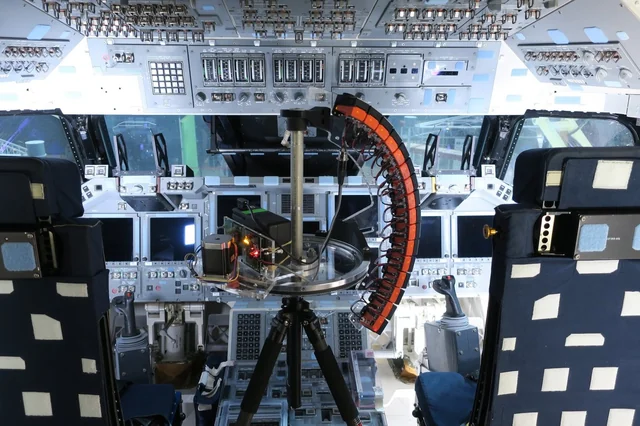
Google's own 2018 post describes a 16-camera rig sweeping a 70cm sphere to feed a headset-only VR viewer, not a hologram.
Event: 14 March 2018
Volumetric & light field / Field entry017
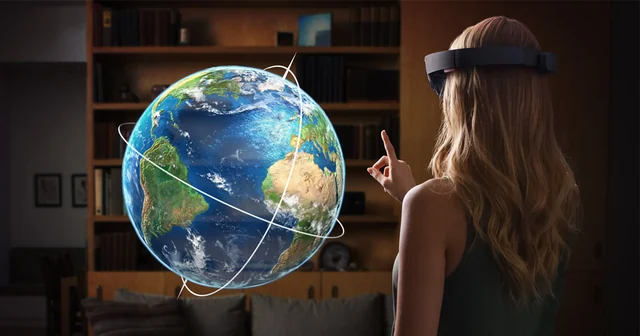
Microsoft's own studio FAQ describes a 106-camera volumetric video pipeline that requires a headset or screen to view.
Entry note
Volumetric & light field / Field entry018
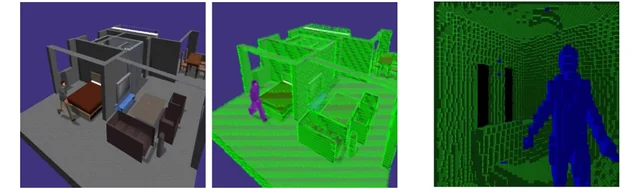
Intel's own pages describe a 30-plus camera array feeding a volumetric pipeline whose output is ordinary 2D broadcast video.
Entry note
Volumetric & light field / Field entry019
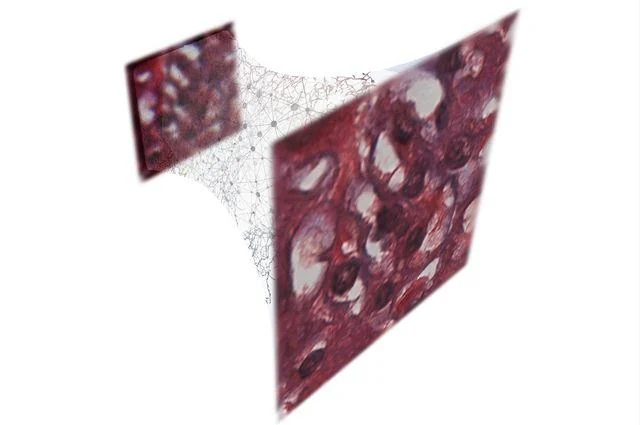
The studio's own specs page describes point-cloud-to-mesh volumetric capture that still needs a headset or screen to view.
Entry note
Volumetric & light field / From the field guide020
web.archive.org1 January 2016
8i's own 2016 materials describe multi-camera volumetric video for headset and phone playback, marketed under a hologram-derived name.
Event: 1 January 2016
Volumetric & light field / Field entry021

HYPERVSN's own pages describe a rotating LED array using persistence of vision, not an interference-recorded hologram.
Entry note
Volumetric & light field / From the field guide022
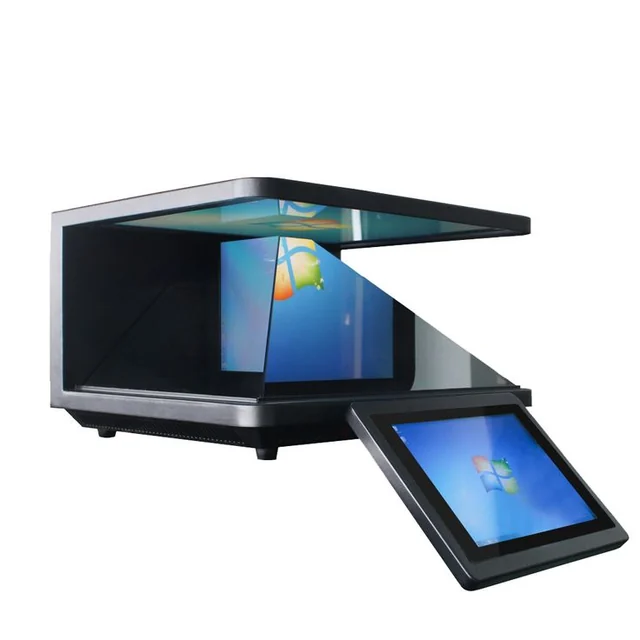
Archived company pages and a 2004 award release describe Perspecta's spinning-screen mechanism behind its own hologram-like label.
Event: 4 February 2004
Volumetric & light field / Field entry023
The company's own technology page separates light field slicing from volumetric displays and states no regulatory clearance.
Entry note
Volumetric & light field / Field entry024

Archived pages describe a rear-projected stack of 10 to 20 liquid-crystal layers, glasses-free but limited to fixed depth planes.
Entry note
Volumetric & light field / Field entry025
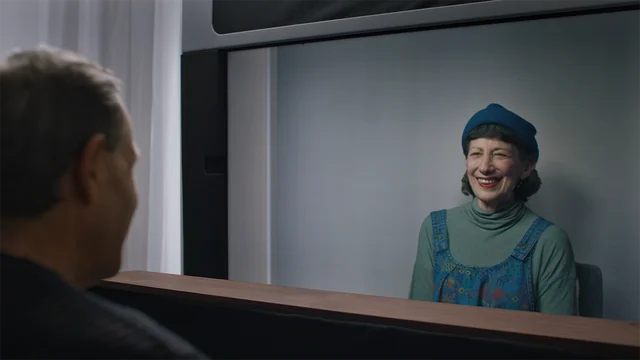
Google's own posts describe a light-field booth using depth cameras and compression, explicitly avoiding the word hologram.
Entry note
Research & patents / From the field guide026
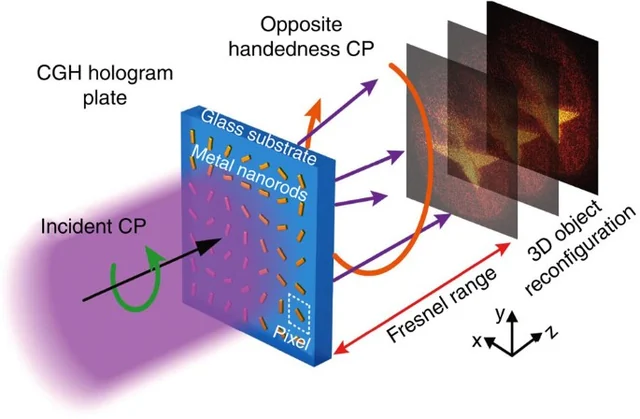
Nature Communications describes a plasmonic nanorod metasurface reconstructing a 3D image, with no efficiency figure in the abstract.
Event: 15 November 2013
Research & patents / Field entry027
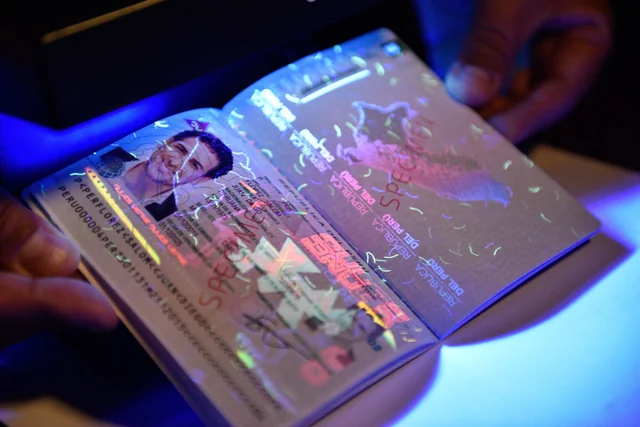
Doc 9303 requires a hologram or equivalent optically variable feature on travel documents, defined by function, not by brand.
Entry note
Research & patents / Field entry028
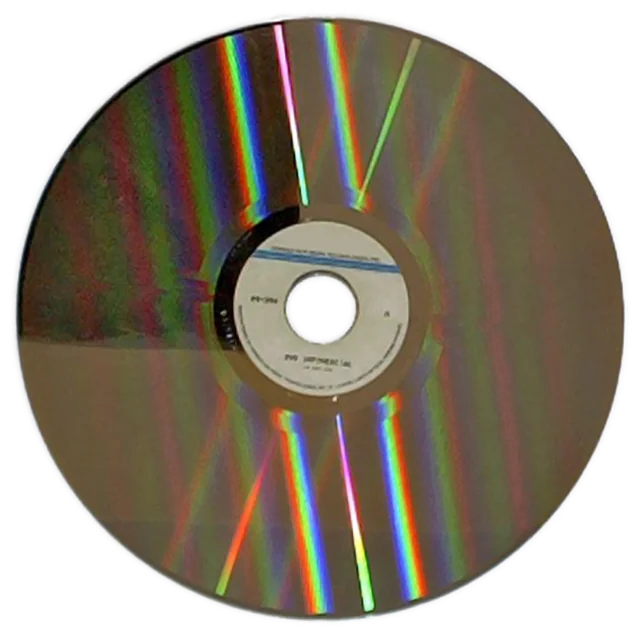
Archived technical PDFs and a patent record describe InPhase's Tapestry photopolymer storage, before the company stopped operating.
2007 report
Research & patents / Field entry029
An archived DARPA program page names a holographic data-storage effort aimed at defense image search, not consumer holograms.
Entry note
Research & patents / From the field guide030
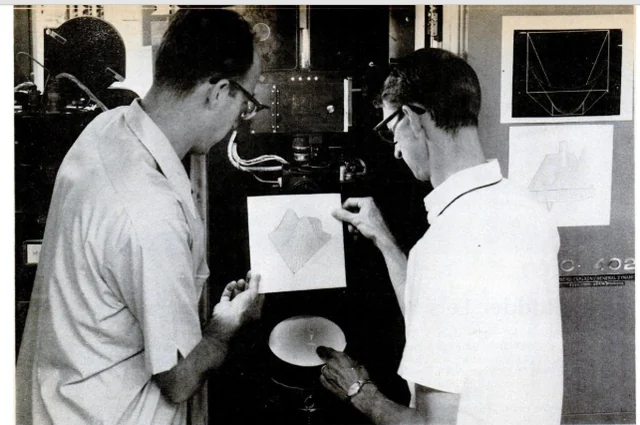
Lohmann and Paris showed a plotted, photographically reduced pattern could reconstruct an image like an ordinary hologram.
Event: 1 October 1967
Research & patents / From the field guide031
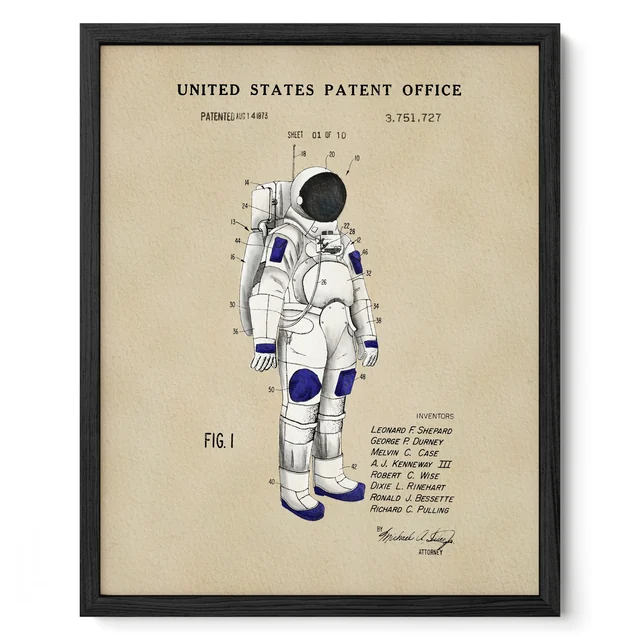
The granted 1970 patent for their wavefront-reconstruction method was assigned to Battelle Development Corporation, per its own cover text.
Event: 14 April 1970
Research & patents / From the field guide032
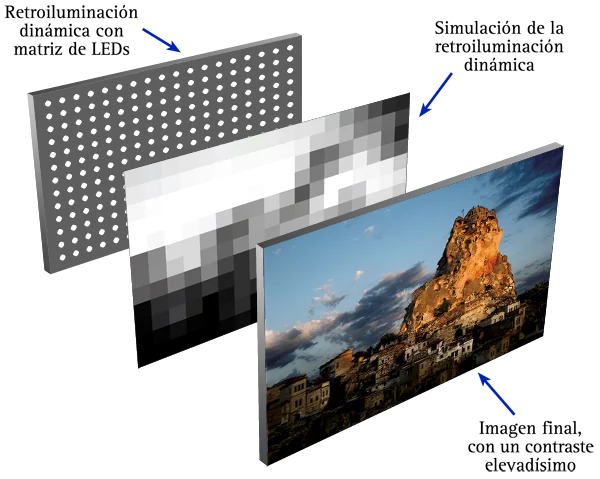
The 2012 SIGGRAPH paper frames layered, backlit LCDs as a tensor problem, tested on a lab prototype, not a shipped screen.
Event: 5 August 2012
Research & patents / From the field guide033
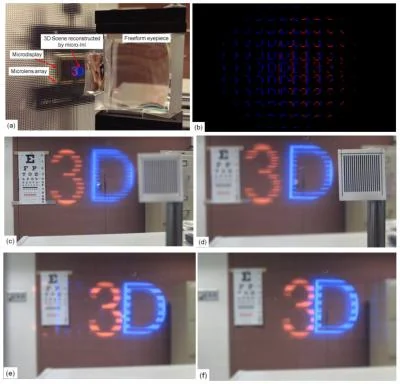
Maimone, Georgiou and Kollin's paper reports eyeglasses-like optics tested across several prototypes, not one finished device.
Event: 20 July 2017
Research & patents / From the field guide034
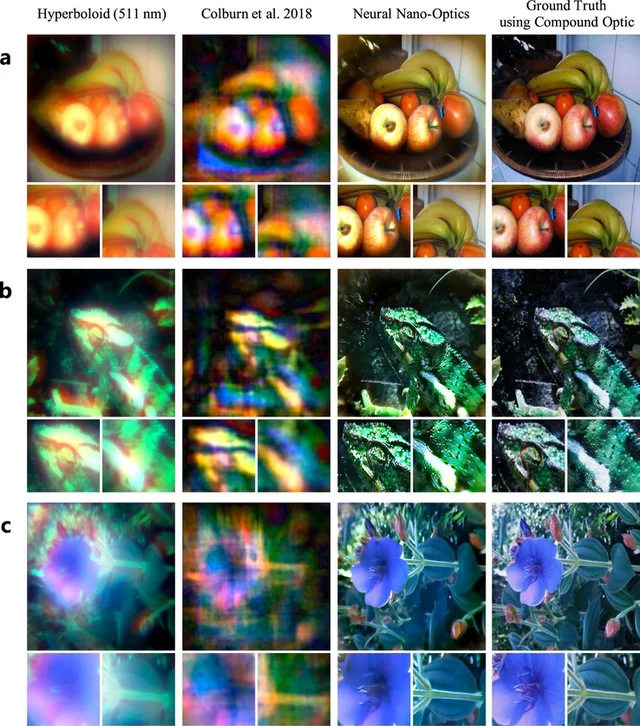
Stanford's camera-in-the-loop training reports specific image-quality gains on one prototype near-eye display.
Event: 1 December 2020
Research & patents / Field entry035

The Society for Information Display's own pages describe a broad annual trade event and magazine, not a single technology.
Entry note
Research & patents / Field entry036
freepatentsonline.comundated document
A patent-office search under Samsung's name returns dozens of separate filings on holographic-display components, not a single product claim.
Entry note
Research & patents / From the field guide037
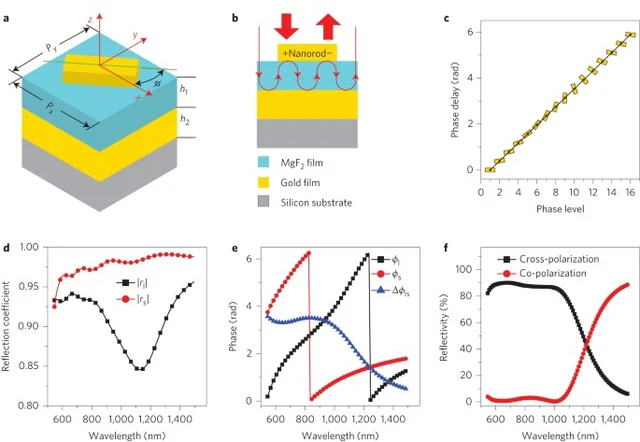
The Nature Nanotechnology paper's own abstract ties that figure to one fabricated sample at 825 nanometres, across a stated bandwidth.
Event: 23 February 2015
Research & patents / Field entry038
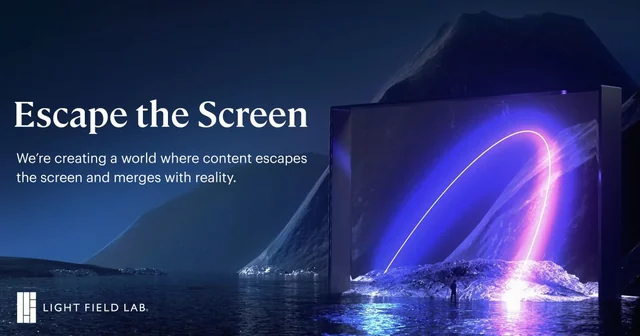
A granted patent names the waveguide energy-relay concept behind SolidLight, but the company's marketing page is a separate document.
Entry note
Research & patents / Field entry039
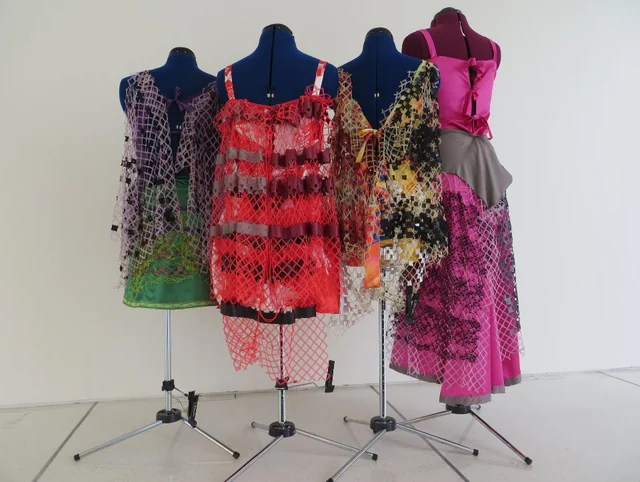
The group's own site dates its activity to 1989-2020 and lists decades of distinct holographic-video mechanisms, not one ongoing project.
Entry note
AR & headsets / From the field guide040
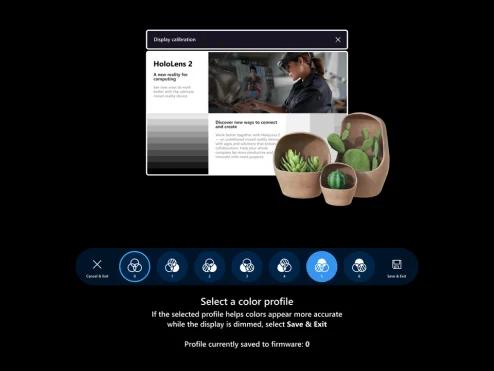
Microsoft's own launch materials show HoloLens images live inside a waveguide visor, seen only by the wearer.
Event: 21 January 2015
AR & headsets / From the field guide041

Microsoft's 2019 materials describe a wider, brighter waveguide display that only the wearer can see.
Event: 24 February 2019
AR & headsets / From the field guide042
web.archive.org1 August 2018
Magic Leap One's own 2018 marketing describes synthetic lightfields visible only through its tethered goggles.
Event: 1 August 2018
AR & headsets / From the field guide043
web.archive.org30 September 2022
Magic Leap's own 2022 materials position Magic Leap 2 for health, manufacturing and defense customers, not consumers.
Event: 30 September 2022
AR & headsets / From the field guide044
web.archive.org1 April 2013
Google's 2013 help pages describe Glass Explorer Edition's display as a small prism-like cube, never a hologram.
Event: 1 April 2013
AR & headsets / From the field guide045
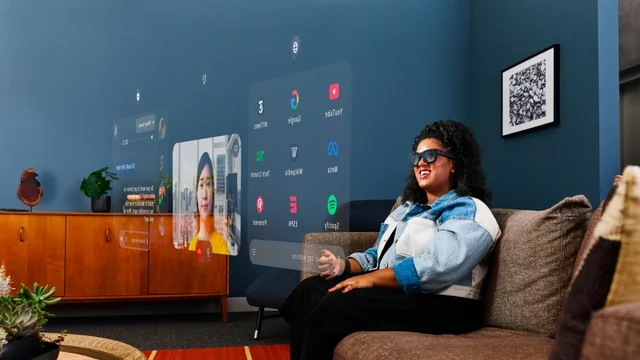
Meta's own 2024 materials describe Orion as an unreleased research prototype with a 70-degree field of view.
Event: 25 September 2024
AR & headsets / From the field guide046
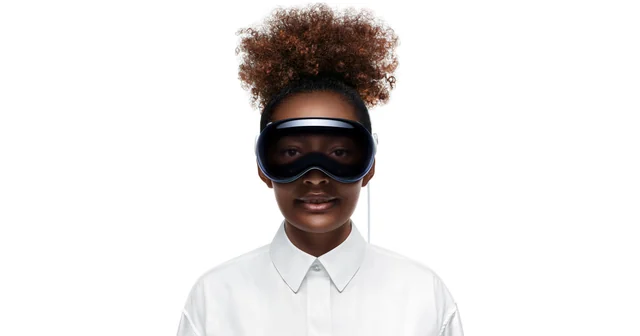
Apple's own materials describe Vision Pro as camera passthrough on micro-OLED panels, avoiding the word hologram.
Event: 2 February 2024
AR & headsets / From the field guide047
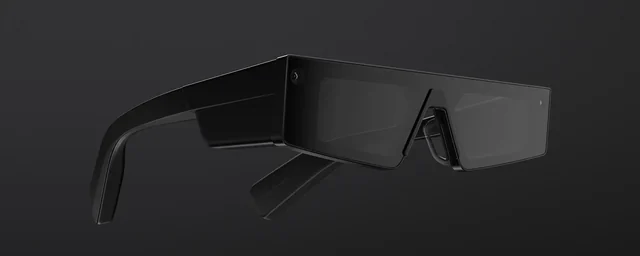
Snap's 2024 materials describe developer-only Spectacles with named waveguide displays and a 30-minute battery.
Event: 1 April 2024
AR & headsets / Field entry048
envisics.com7 January 2021
Envisics and Panasonic's own materials describe a laser holographic head-up display, now under UK administration.
Entry note
AR & headsets / Field entry049
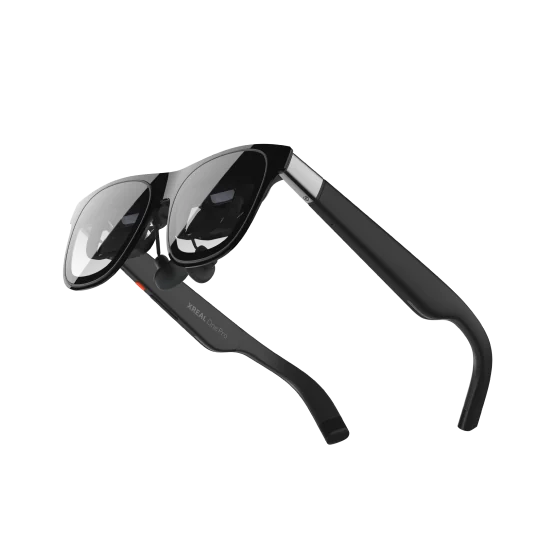
Xreal's own materials name a branded X Prism combiner and Micro-OLED display, private to one wearer.
Entry note
AR & headsets / Field entry050
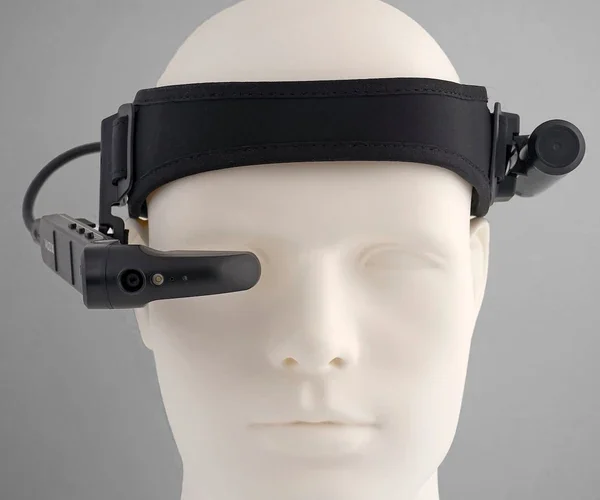
Vuzix's own pages describe waveguide see-through optics for Blade and a separate OLED microdisplay for M400.
Entry note
AR & headsets / Field entry051
web.archive.org13 December 2021
RealWear's own materials describe a monocular boom-mounted LCD read by choice, not a binocular AR overlay.
Entry note
AR & headsets / Field entry052
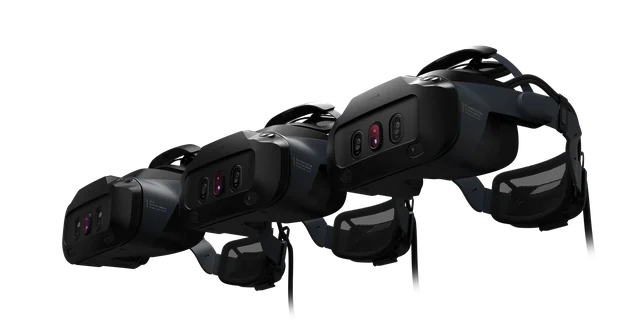
Varjo's own materials describe video pass-through mixed reality with a dual-panel Bionic Display, aimed at professional users.
Entry note
AR & headsets / From the field guide053
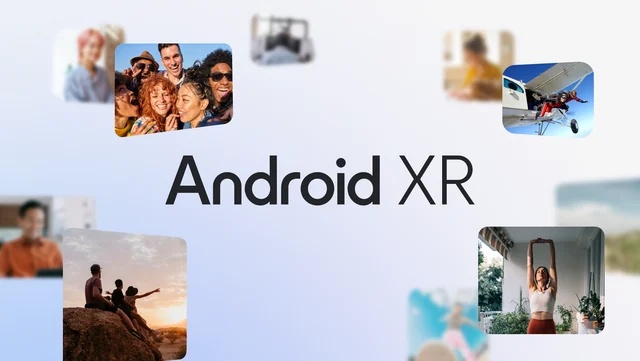
Google's December 2024 post announced a software platform alongside Project Moohan, a headset due only 'next year.'
Event: 12 December 2024
AR & headsets / Field entry054
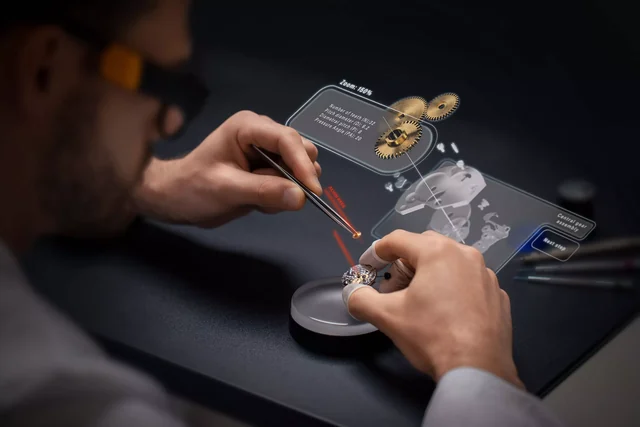
CREAL's own materials describe a light-field microdisplay meant to fix AR focus conflicts, not a shipping consumer headset.
Entry note
Display mechanisms / Field entry055
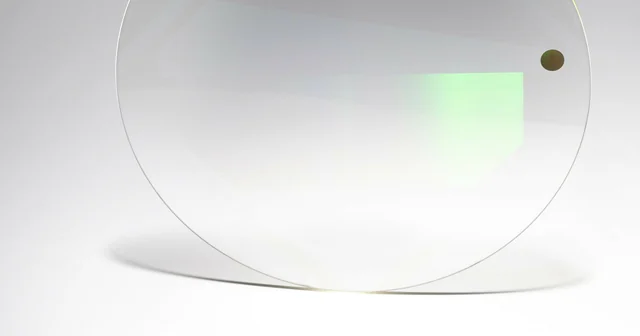
Dispelix's own explainer distinguishes diffraction-grating waveguides from mirror-facet designs used elsewhere in AR optics.
Entry note
Display mechanisms / From the field guide056
freepatentsonline.com8 February 2011
Patents connected to Musion describe an angled, tensioned foil screen reflecting a projected image, not an interference hologram.
Event: 1 April 2004
Display mechanisms / From the field guide057
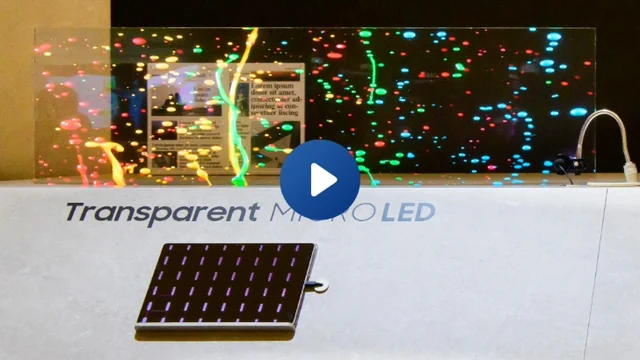
Samsung's own newsroom describes a see-through, self-emissive MicroLED panel unveiled ahead of CES 2024, never calling it a hologram.
Event: 7 January 2024
Display mechanisms / Field entry058
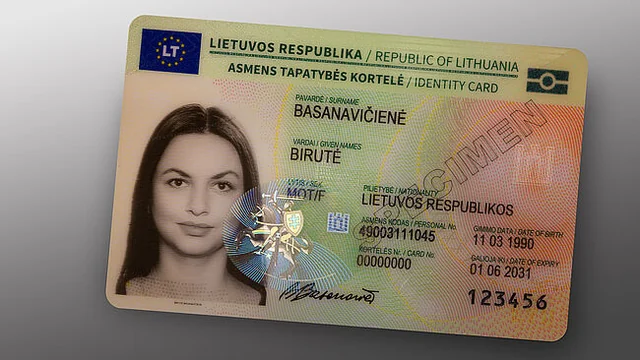
OVD Kinegram's own technical pages describe a diffraction-based ID document feature the company distinguishes from security holograms.
Entry note
Display mechanisms / Field entry059
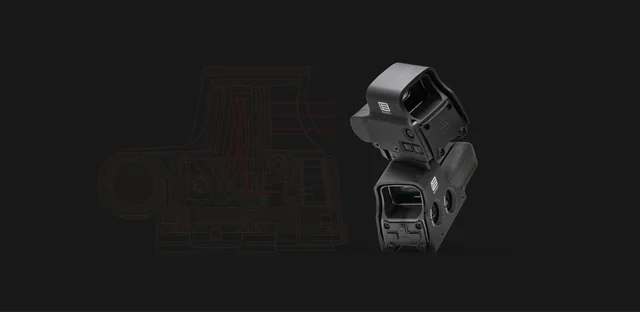
EOTech's own materials describe a laser-illuminated, recorded holographic reticle, distinct by mechanism from LED red-dot sights.
Entry note
Display mechanisms / Field entry060
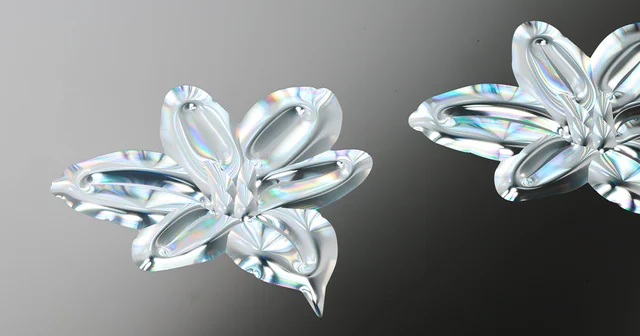
A patent record and a foil maker's own pages show mass security holograms are embossed from one master, not recorded per unit.
Entry note
Display mechanisms / Field entry061
web.archive.orgundated document
MIT Museum's own glossary and a Polaroid-era patent explain why these holograms shift colour, not view, as you move up and down.
Entry note
Display mechanisms / Field entry062
freepatentsonline.com5 October 2021
Magic Leap's own patents describe the mechanism: LEDs timed to a rotating blade's angle, not a recorded interference pattern.
Entry note
Display mechanisms / From the field guide063
web.archive.org15 August 2016
The company's own patent names the Pepper's Ghost Illusion behind its display cases, a mechanism its marketing rarely named.
Event: 15 August 2016
Display mechanisms / Field entry064
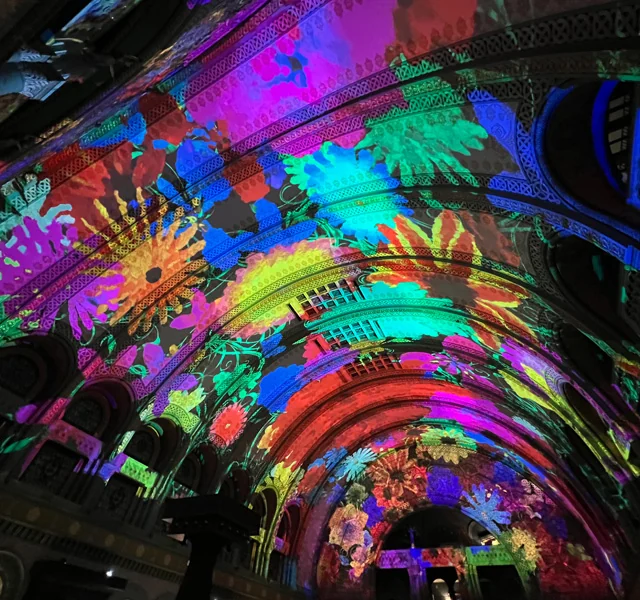
Christie and Barco's own pages describe warping and blending software that fits video to a building or object's true shape.
Entry note
Display mechanisms / Field entry065
web.archive.orgundated document
viZoo's own Cheoptics360 specification sheets describe a projected pyramid display, not a free-space or volumetric image.
Entry note
Display mechanisms / From the field guide066
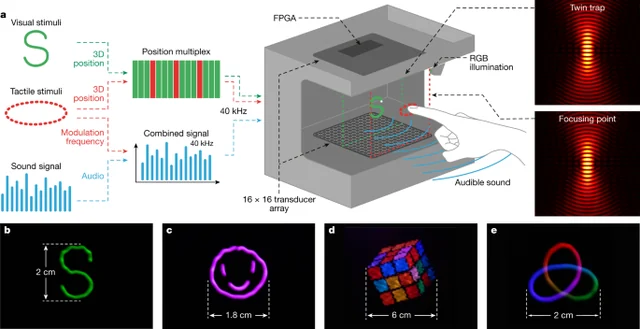
A Nature paper from University of Sussex describes a levitated particle painting a visible, audible, and touchable image.
Event: 13 November 2019
Display mechanisms / Field entry067
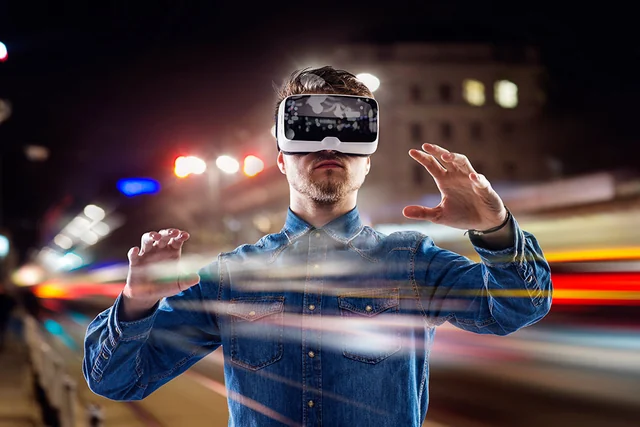
Luminit's own technical pages describe a recorded microstructure that controls screen brightness and viewing angle.
Entry note
Display mechanisms / From the field guide068
web.archive.org1 October 2008
Dimenco's own archived pages describe the lenticular lens behind Philips' WOWvx sets, a mechanism unrelated to holography.
Event: 1 September 2008
Stage & event / From the field guide069
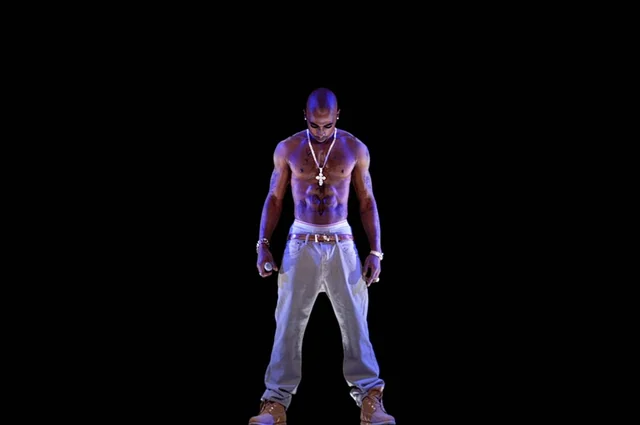
Musion and AV Concepts' own materials describe a rear-projected illusion built by Digital Domain, not an interference hologram.
Event: 1 April 2012
Stage & event / From the field guide070
web.archive.org1 November 2005
MTV's own report and Musion's related case study describe a rear-projected animation, not a captured performer or optical hologram.
Event: 1 November 2005
Stage & event / From the field guide071
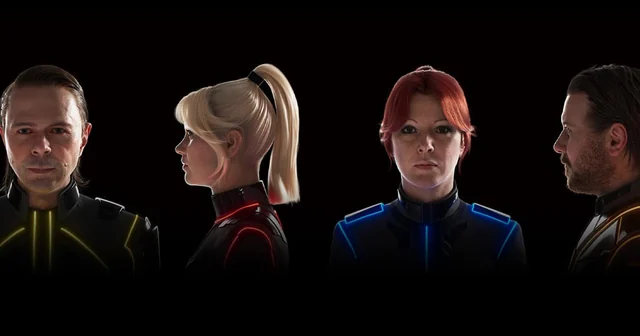
The show's FAQ and ILM's project page describe motion-captured digital avatars on fixed screens in a purpose-built arena.
Event: 27 May 2022
Stage & event / From the field guide072
web.archive.org1 May 2014
The producing studio's own timeline and press page describe animation and visual effects, not an optical hologram, for the Billboard show.
Event: 1 May 2014
Stage & event / Field entry073
web.archive.orgundated document
The producer's own site shows the touring plan shifted from UK theatre dates to a Las Vegas residency after the initial announcement.
Entry note
Stage & event / From the field guide074
web.archive.org1 January 2018
The company's 2018 production page describes digital and laser projection backing a remastered set, touring North America that year.
Event: 1 January 2018
Stage & event / From the field guide075
web.archive.org25 August 2017
Trade press coverage quotes touring musicians describing Eyellusion's Ronnie James Dio hologram as a built technical effect.
Event: 30 November 2017
Stage & event / Field entry076
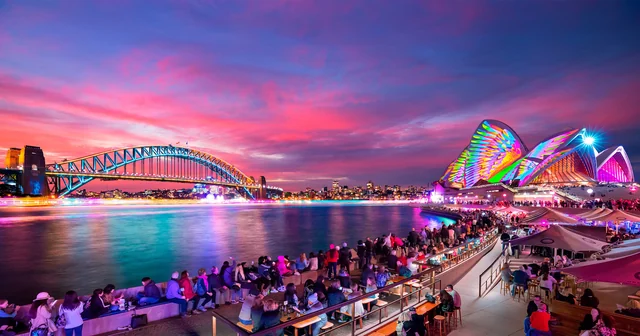
The festival's own pages describe projection-mapped light art on the Opera House sails and city landmarks, not free-space imagery.
Entry note
Stage & event / Field entry077

USC Shoah Foundation's own materials describe filmed survivor answers on a screen, avoiding the hologram label some coverage uses.
Entry note
Stage & event / Field entry078
Trade press reporting describes a transparent-screen projection technique later replaced by LED screens for the same touring show.
Entry note
Stage & event / Field entry079
web.archive.org15 August 2014
The Hollywood venue stages Pepper's-ghost-family video projections under an exclusive license, as the company's own site and press materials describe.
Entry note
Stage & event / Field entry080
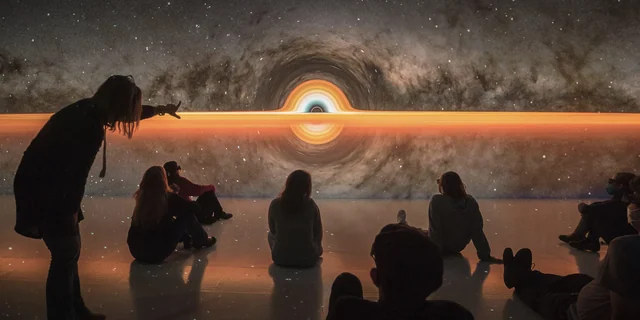
Ars Electronica's own description names dual 50-million-pixel projections and laser tracking, not a hologram or headset display.
Entry note
Stage & event / Field entry081
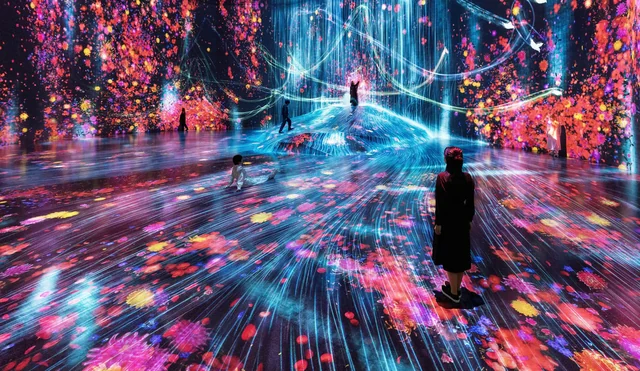
teamLab's own site names projectors, sensors and networked lighting behind Borderless, and gives the museum's relocation and attendance record.
Entry note
Stage & event / From the field guide082
Sphere Entertainment's own releases describe a 1.2-million-puck LED exterior and a 16K-resolution interior screen, both direct-view LED.
Event: 29 September 2023
Stage & event / Field entry083
web.archive.orgundated document
The producers' own site names cubic feet of projection and frame counts, describing synchronized video projectors, not a holographic display.
Entry note
Limits & mislabels / From the field guide084
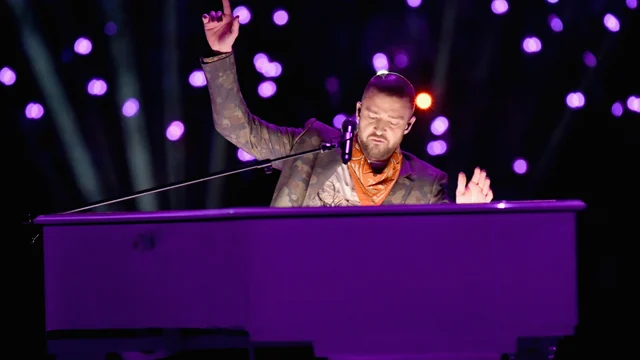
Press coverage documents the estate's prior objection to a hologram and shows the aired segment used a projected screen image instead.
Event: 4 February 2018
Limits & mislabels / Field entry085
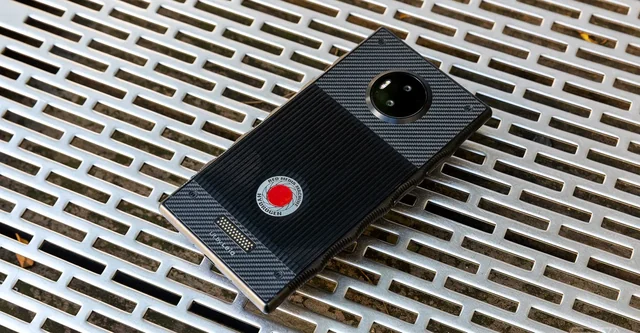
RED's own marketing called the display holographic, but the display's maker describes a diffractive light-field backlight with nanostructures.
2018 event
Limits & mislabels / From the field guide086
web.archive.org1 January 2015
The museum's own retrospective describes a glass pyramid and nineteenth-century Pepper's Ghost stagecraft, not free-space holography, behind the 2006 finale.
Event: 1 January 2006
Limits & mislabels / From the field guide087
web.archive.org6 November 2008
CNN's own report says conventional cameras and chroma key produced the effect, and states plainly that a hologram uses coherent light instead.
Event: 4 November 2008
Limits & mislabels / From the field guide088
web.archive.org15 August 2014
Court records and the company's own statements show multiple 2014 suits over Pepper's-Ghost-style projection patents, later resolved by settlement.
Event: 15 May 2014
Limits & mislabels / Field entry089
hypervsn.comundated document
HYPERVSN's own product pages describe a rotating LED display using persistence of vision, not free-space interference holography.
Entry note
Limits & mislabels / From the field guide090
arxiv.org19 October 1993
Maldacena's 1997 paper and its predecessors name an information idea in gravity unrelated to the optical interference behind display holograms.
Event: 27 November 1997
Limits & mislabels / From the field guide091

ILM's own project page and VFX supervisor John Knoll describe Tarkin's return in Rogue One as photoreal computer graphics, not a hologram.
Event: 1 January 2016
Limits & mislabels / Field entry092
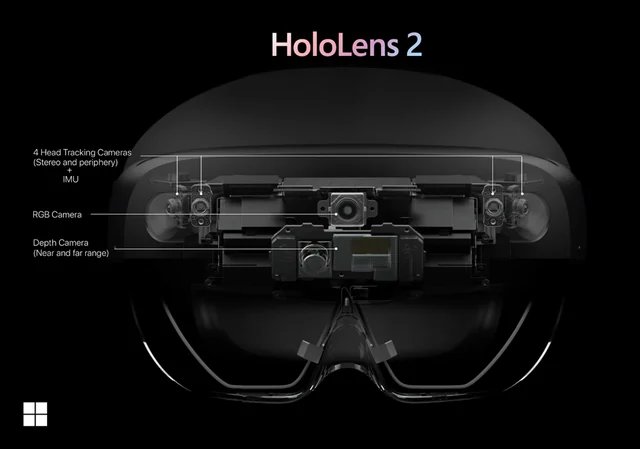
Microsoft's own documentation describes HoloLens holograms as a see-through, waveguide-delivered image only the wearer can see.
Entry note
Limits & mislabels / Field entry093
web.archive.orgundated document
Two CES Innovation Award listings show the Consumer Technology Association passing along vendor hologram claims without describing the mechanism.
Entry note
Limits & mislabels / From the field guide094
web.archive.org1 January 2020
Neon's own CES 2020 launch materials call its 'artificial humans' computationally created virtual beings, with no mention of holographic display.
Event: 1 January 2020
Limits & mislabels / Field entry095
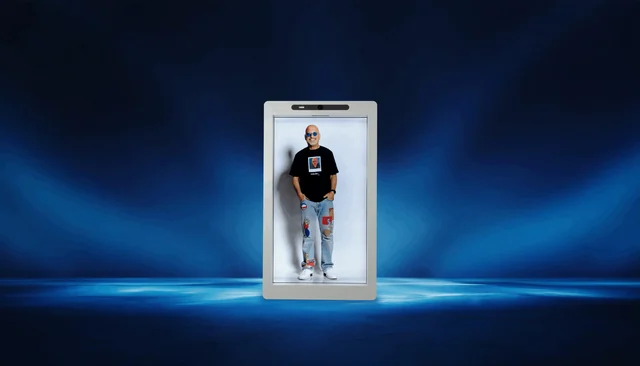
Proto Inc.'s own FAQ and product pages call their displays real holograms while withholding any description of the optical mechanism.
Entry note
Limits & mislabels / Field entry096
law.justia.comundated document
Texas's probate statute shows 'holographic' in law means entirely handwritten, an unrelated use of the word from optical holography.
Entry note
Volumetric & light field / From the field guide097
web.archive.org1 January 2010
Archived product pages show a Pepper's-ghost-style case that mixes video with a real object, not a free-space volumetric image.
Event: 1 January 2011
Display mechanisms / From the field guide098
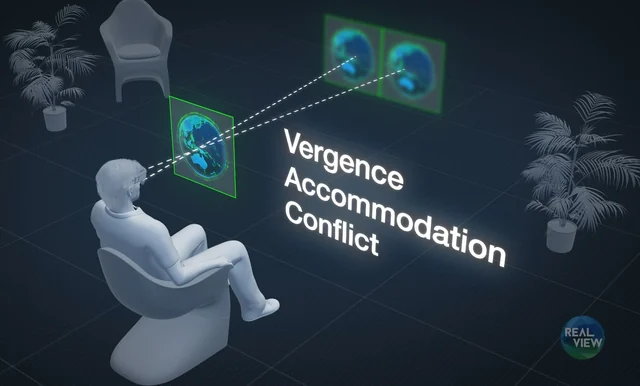
RealView Imaging's own pages and its 2021 FDA clearance describe a touchable hologram built from a patient's own scan data.
Event: 2 August 2021
Limits & mislabels / From the field guide099
web.archive.org1 January 2010
Samsung's own 3D TV explainer describes active-shutter glasses and stereoscopic image pairs, a mechanism unrelated to any holographic display.
Event: 1 January 2010
Limits & mislabels / From the field guide100
web.archive.org1 January 2018
Intel's product and press pages describe True View as camera-based volumetric video replays on ordinary screens, never as a hologram.
Event: 1 January 2018